Workshops, Trainings, Courses, Advertising and Business Seminars (2022-2026)

Branding
Branding
We outsource any vehicle of your request and through our graphics team we also brand the vehicle for you, all you do is collect.
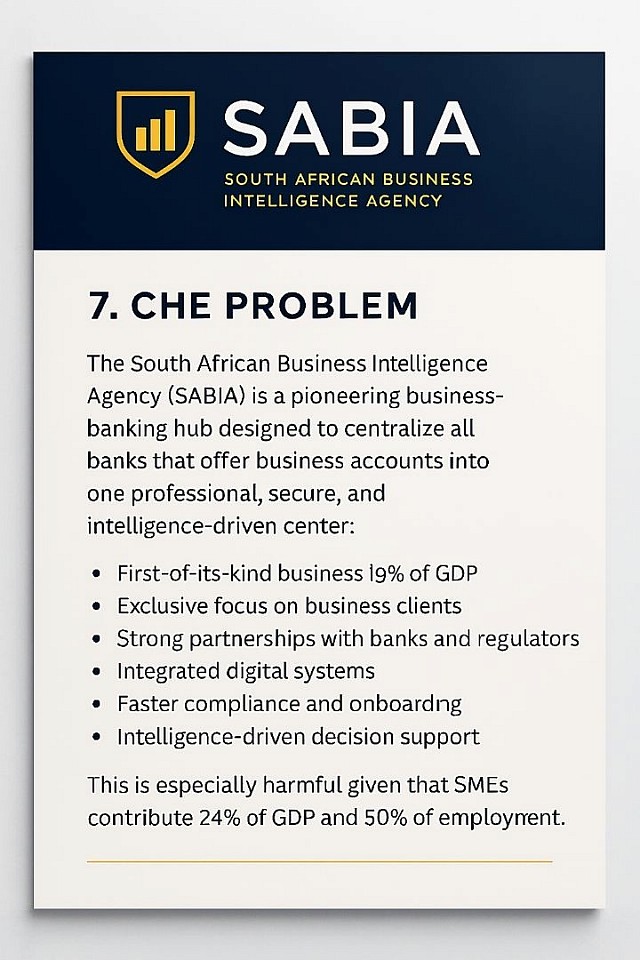
We have notified the problem
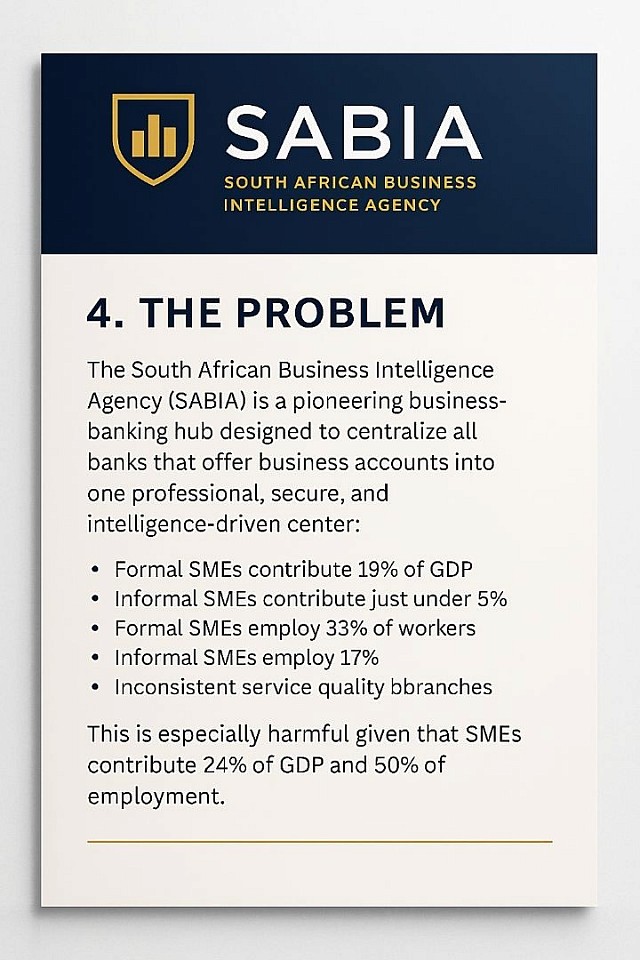
We still solving economic issues
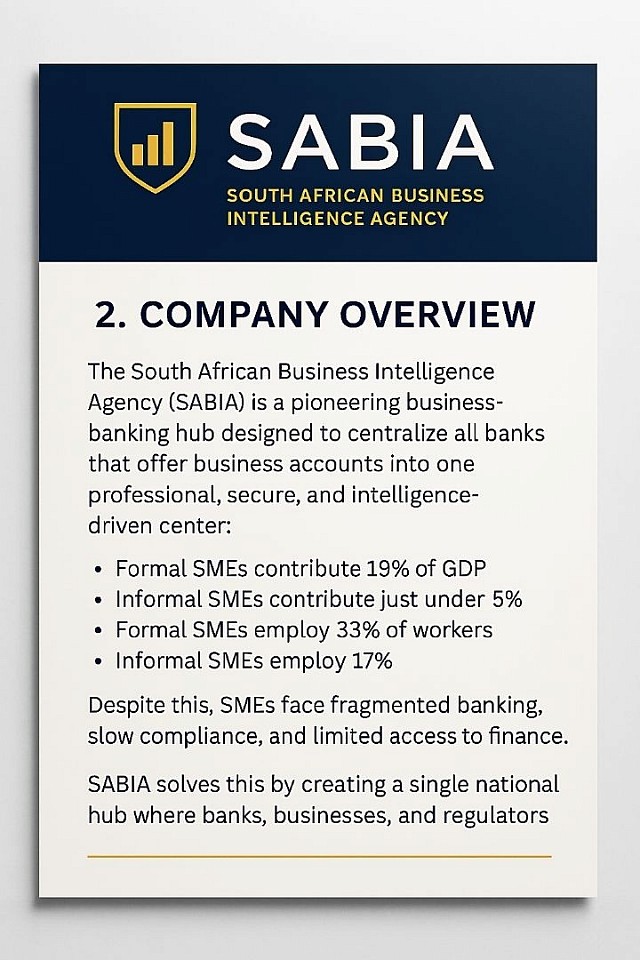
The companies overview
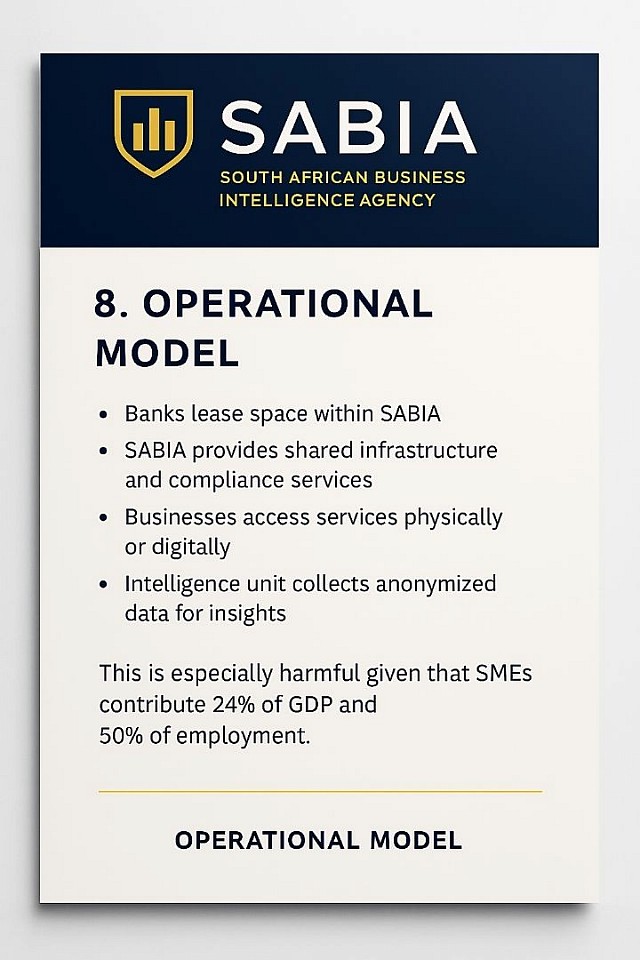
Operational Model
Techno infustructure
Techno Projections
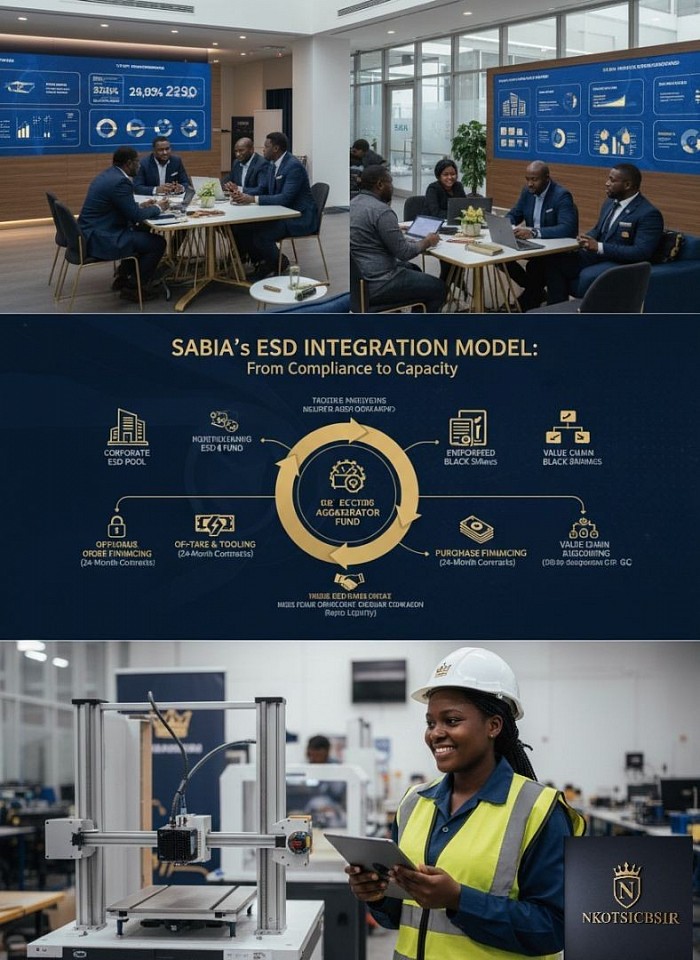
The imperative is to transform the economy through increased participation of the previously disadvantaged groups in the mainstream economy (across all sectors and industrial and service value chains) remains relevant for economic redistribution and the changing of patterns of ownership of means of production. The evolution of B-BBEE through its codification, where B-BBEE contribution has been disaggregated to elements such as Ownership, Management Control, Skills Development, Enterprise and Supplier Development (ESD) and Socio-Economic Development (SED) has enabled measurement of contribution to B-BBEE by economic actors. To this effect, our primary consideration is whether these tools of economic transformation are impactful. In this setting, ESD is one critical tool available to practically effect increased participation of majority Black-owned enterprises in sectors and value chains of industries. In 2022, the B-BBEE Commission conducted a study which highlighted a low level of compliance on ESD spending by measured entities. According to the B- BBEE Commission, only 61% of the set targets was achieved for ESD in 2021, which is a continuing trend over the past five years (2017: 44%; 2018: 60%; 2019: 51%; 2020: 61%). The issue at hand on ESD and its utilisation transcends the compliance imperative as imposed legislatively by all economic actors, it is about unleashing its potency in driving economic inclusion and participation. As matters stand, it is imperative to acknowledge that the funds raised through ESD contributions do not have a positive impact on marginalised groups as envisaged within the B-BBEE legislation, more especially the SMME sector which is under- serviced and under-funded.

Apply now!



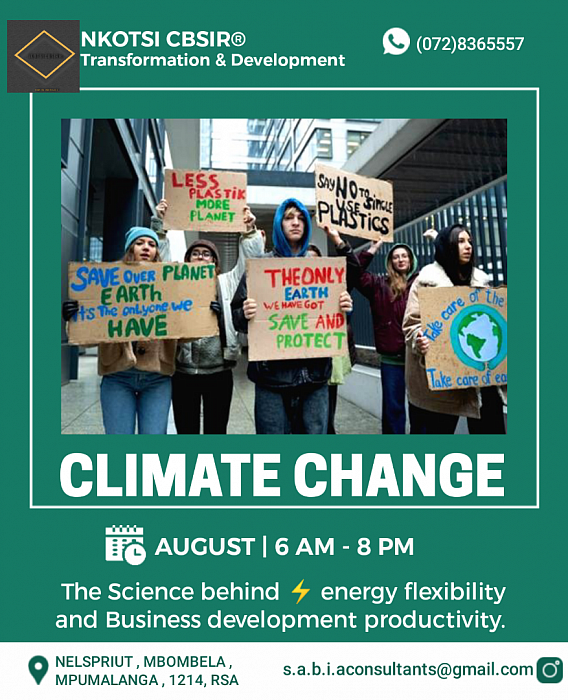
We thrive on bringing changes
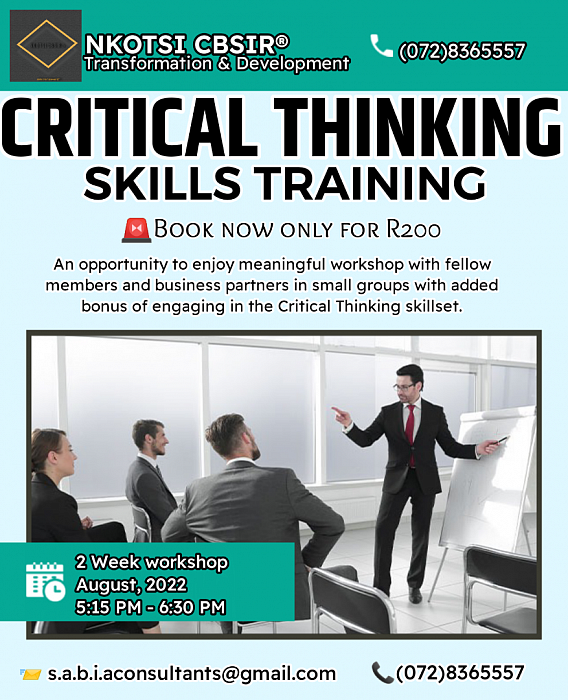
Critical 🤔
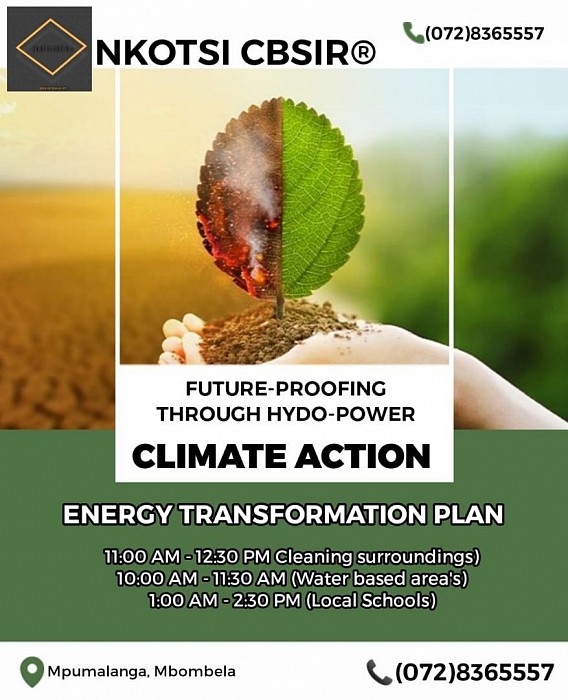
Our E. T. P
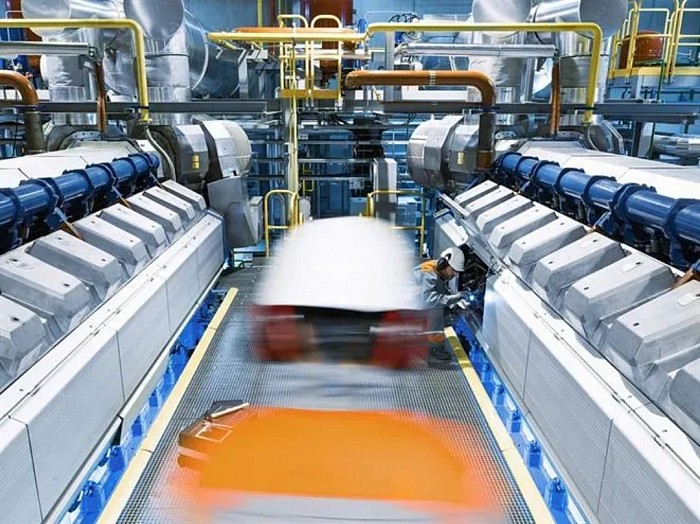
Done by:WARTSILA
The Engine Range
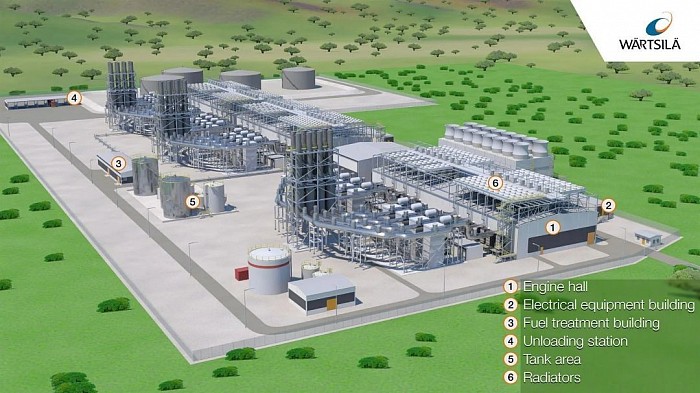
Done by: WARTSILA